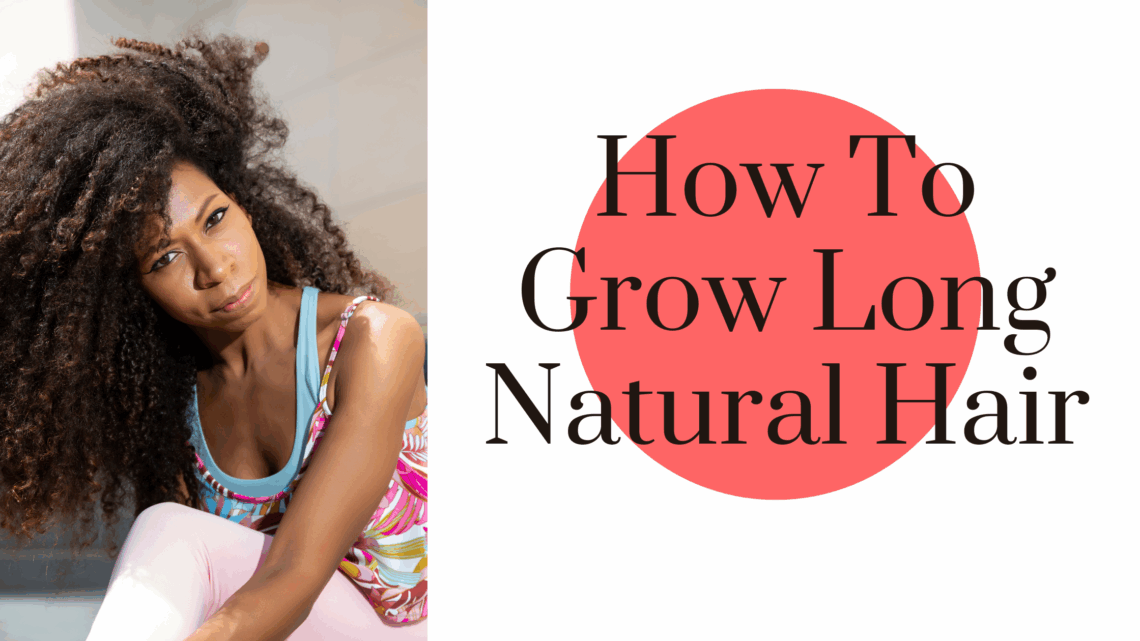
How To Grow Long Natural Hair – Healthy Hair Practices
One of the main things I would hear when I was younger was “girl, you got all that hair and you don’t do anything with it”. It used to bother me until I realized this was exactly the reason why I was able to grow long natural hair.
I left it alone for the most part and that is precisely why that is my number one step. Normalize not having to do something to your hair everyday and you may notice you have more strands to show for it.
Below I’ve outlined other practical and easy tips you can follow to grow long natural hair.
Some of the links in this post are affiliate links, meaning that if you click through & make a purchase, I will receive a small commission at no extra cost to you. Thank you for your support!
Low Manipulation Styling for Long Natural Hair
The idea is that you do your hair once per week into a style that can last you the majority of that time and then, if need be, do one quick style to hold you over until your next wash day.
Now low manipulation styling doesn’t mean you throw out proper hair care and ignore your strands all together. You still want to maintain regular washing and detangling sessions which are covered in this post.
Watered Hair = Long Natural Hair
One of the most essential ingredients in your hair routine is water. Regular watering of the hair, similar to a plant, keeps your hair from getting dry and brittle. Dry, brittle hair breaks. Well watered, moisturized hair is elastic and thrives.
When choosing your hair products, remember to prioritize those with water as the first ingredient. Oils sit on top of the hair and rarely are able to penetrate the shaft and provide moisture. While shampooing is an important step, consider the idea that washing your hair can mean just rinsing with water.
Jerome Dickey of the Dickey salon famously says “Water cleanses, water hydrates”. He does this to emphasize the fact that water is often forgotten or ignored as the main ingredient we need. So the next time you find yourself short on product or time , don’t skip that wash day and water your hair anyway.
After incorporating more hair drenching sessions into your month, you will find that your curls are more springy and healthy. You will also greatly minimize the chances of hair breakage because your now moisturized strands can withstand a bit of manipulation during the styling process.
Detangling for Length Retention
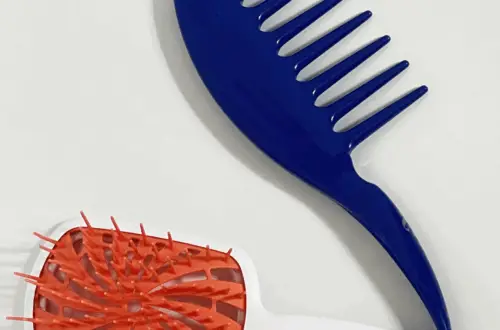
When it comes to detangling, less is more by way of tools. You’ll want to know when to use your fingers as a detangler and when to use a tool like a wide toothed comb or a detangling brush.
Consider your style for that week. If you’re planning on doing a braid out or twist out, try using a wide tooth comb. Roller set? Try using a detangling brush to better smooth your strands around the rollers. Wash and go? Use your fingers to detangle to help avoid combing out the places where your hair may naturally want to clump and show off those juicy curls.
Overall, detangling is a must if you want to retain your length but the tool you use to do it isn’t as important. Detangling allows you to remove the shed hairs from your head that would otherwise become wrapped up on healthy strands and cause them to break off. Regular detangling ensures that your hair grows by removing the shed hairs from the rest of the pack.
Managing Heat
We all know that heat too often can wreak havoc on your hair but there is no reason to be afraid of heat. We just need to create healthy boundaries when it comes to using it. Generally, well watered and moisturized hair withstands heat better.
As long as you’ve imparted enough water into your strands, you have the green light to use heat responsibly. There are some times to avoid heat. One main time is when you know you’ve been neglecting your hair and wash day routines.
If it’s been two weeks since your hair has had water, I wouldn’t immediately jump into a style that requires heat. In my opinion, a healthy best practice for heat would be to use it monthly and then use no heat methods to maintain your style.
So if you did a silk press, you would maintain that style by wrapping your hair at night. If you did a style using your curling iron, try doing pin curls at night to maintain. If you’ve recently taken out a weave or braided style and it’s been in for a month or longer, I would suggest staying away from heat for that first wash session.
You have the freedom to do what you want but I’ve found these boundaries help keep my curls from getting heat damage.
Healthy Best Practices for Growing Long Natural Hair
Finally, please know that hair is subjective. We all hydrate, eat differently and come from different backgrounds. Genetics also play a role in what our hair can take and how it grows.
While these tips are a great starting point, it is your job to master your own hair growth needs. Consider being your healthiest on the inside first and see if you notice a change in the length of your hair.
Get the right balance of vitamins and minerals, drink plenty of water and do your best to eat clean. If basic functions of the body aren’t in good shape it’s unlikely that any resources will be allotted to having healthy, long hair.

Wash and Really Go
I am a wash and go enthusiast helping busy women to master thier curls. I focus on all aspects of the wash and go including cleansing, moisturizing, styling, products and tools to help naturals complete thier hair care routines as quickly as possible while maintaining healthy hair.